
MIMAKI INDIA PRIVATE LIMITED
Case Study
Challenges
Improvements
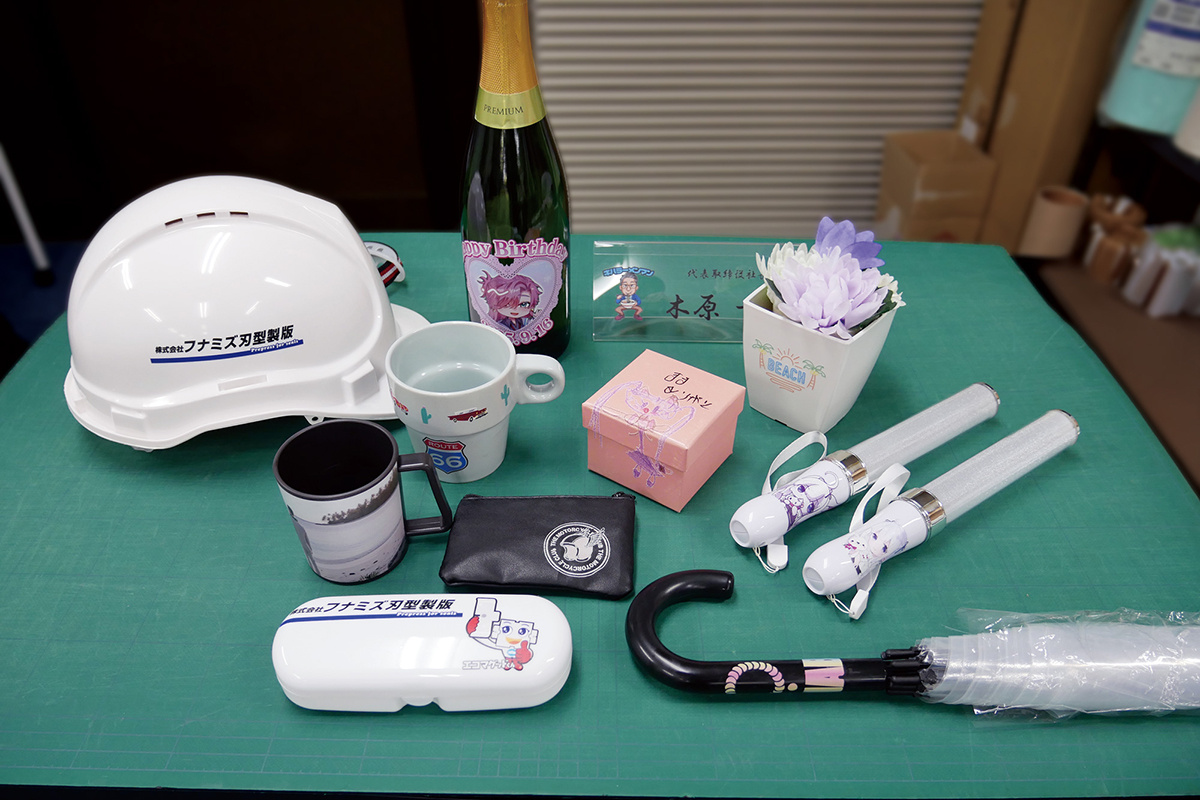
With conventional labels, reflections from transparent areas were often noticeable, making it difficult to achieve a natural, direct-print-like finish. The company also considered a flatbed UV printer, but saw challenges in the time required to make jigs, handling curved surfaces, and differentiating itself from competitors.
With the introduction of the UJV300DTF-75, the company can achieve a natural, direct-print-like finish without leaving transparent margins. It can also decorate a wide range of materials, including curved surfaces, and is developing new business opportunities by leveraging its high durability and ease of application.
Product installed
Challenges
Improvements
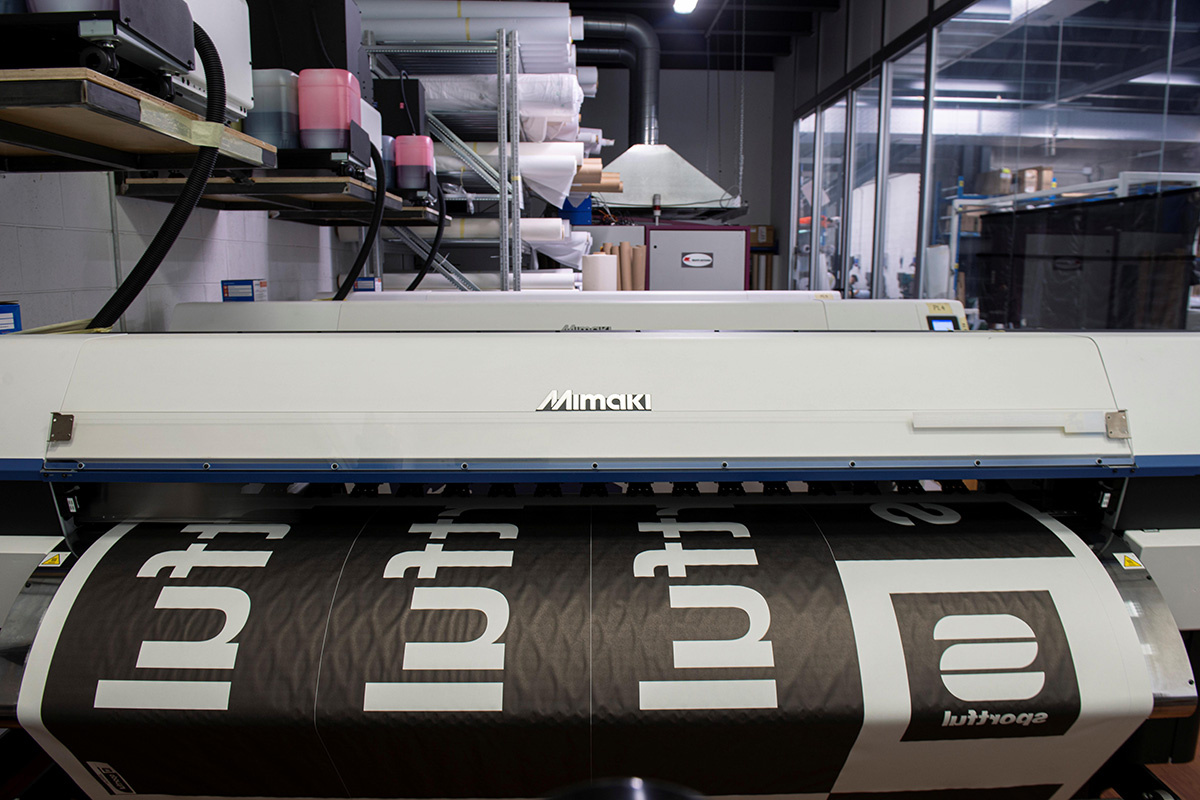
Elle-Erre needed to build a production system that could meet growing demand in the events and sportswear markets for personalization, fast turnaround, and high quality, while improving productivity and reducing environmental impact.
By introducing four TS330-1600 units and TxLink4, Elle-Erre streamlined its production processes. The new setup enables flexible production from short runs to high-volume orders while ensuring consistent color reproduction and high quality. Production speed increased by 30%, material costs were reduced by 20%, and repeat orders rose by 30% within six months of installation.
Product installed
Challenges
Improvements
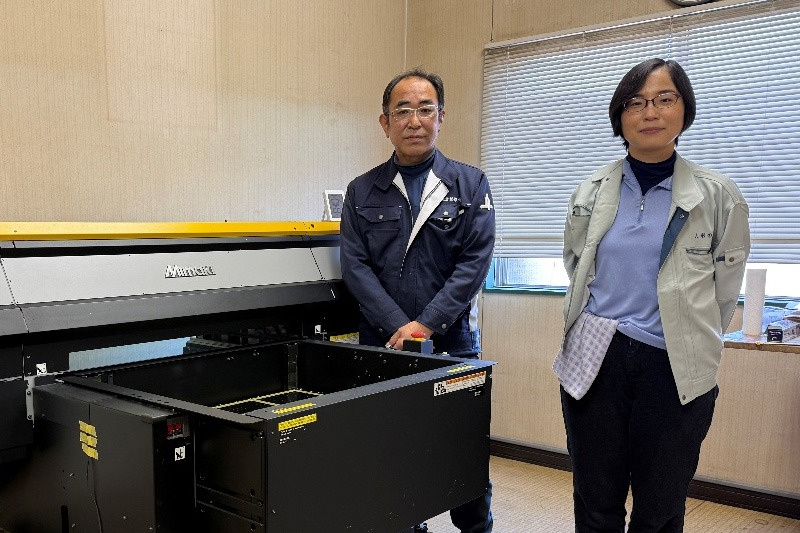
The company relied on outside artisans for artwork painting and gold foiling, but the aging workforce and shortage of successors raised concerns about its future production capabilities. Screen printing also required cumbersome management of printing screens and placed limitations on fine details and size variations.
With the UJF-7151 plusII, Sakura Seisakujo digitized decorative printing, expanded its in-house design and size options, and established a digital foiling process for gold decoration. This reduced reliance on artisans while maintaining quality and enabling the company to explore new forms of product expression.
Product installed
Challenges
Improvements
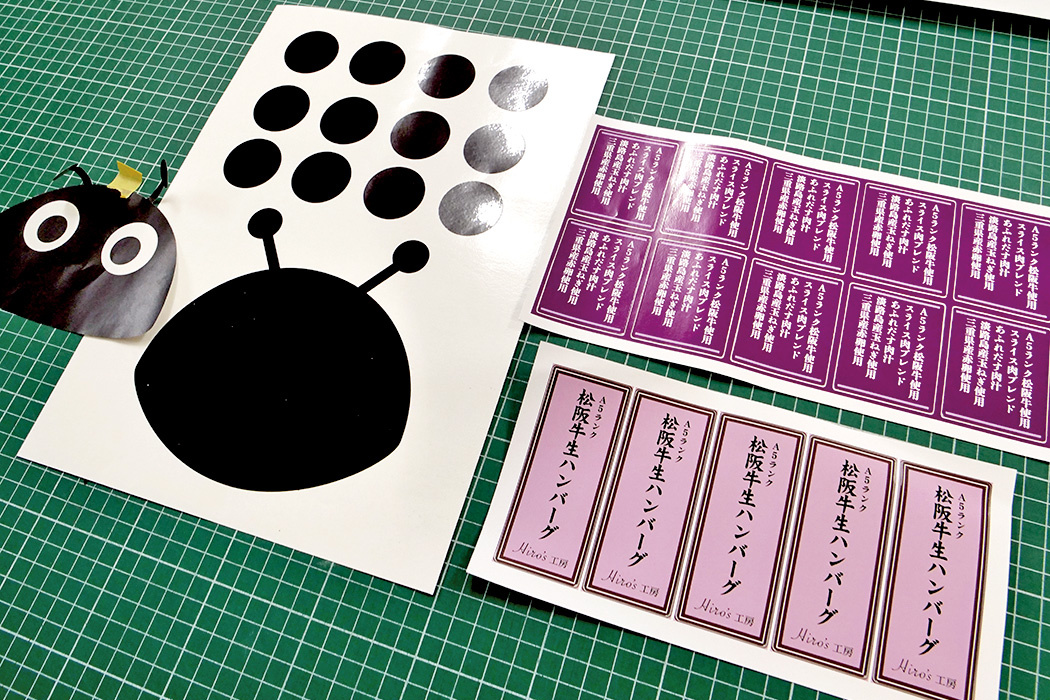
The print-and-cut machine, used for around 15 years, was experiencing more frequent breakdowns as parts availability neared its end. A replacement was needed to continue producing small-lot labels, vehicle wraps, and other applications.
The CJV200-130 was in full production within about a week, offering precise drying control and improved reproduction of difficult orange tones. Today, the CJV200-130 is used for a wide range of applications, from very short-run labels and special materials to water-resistant labels and vehicle wraps.
Product installed
Challenges
Improvements
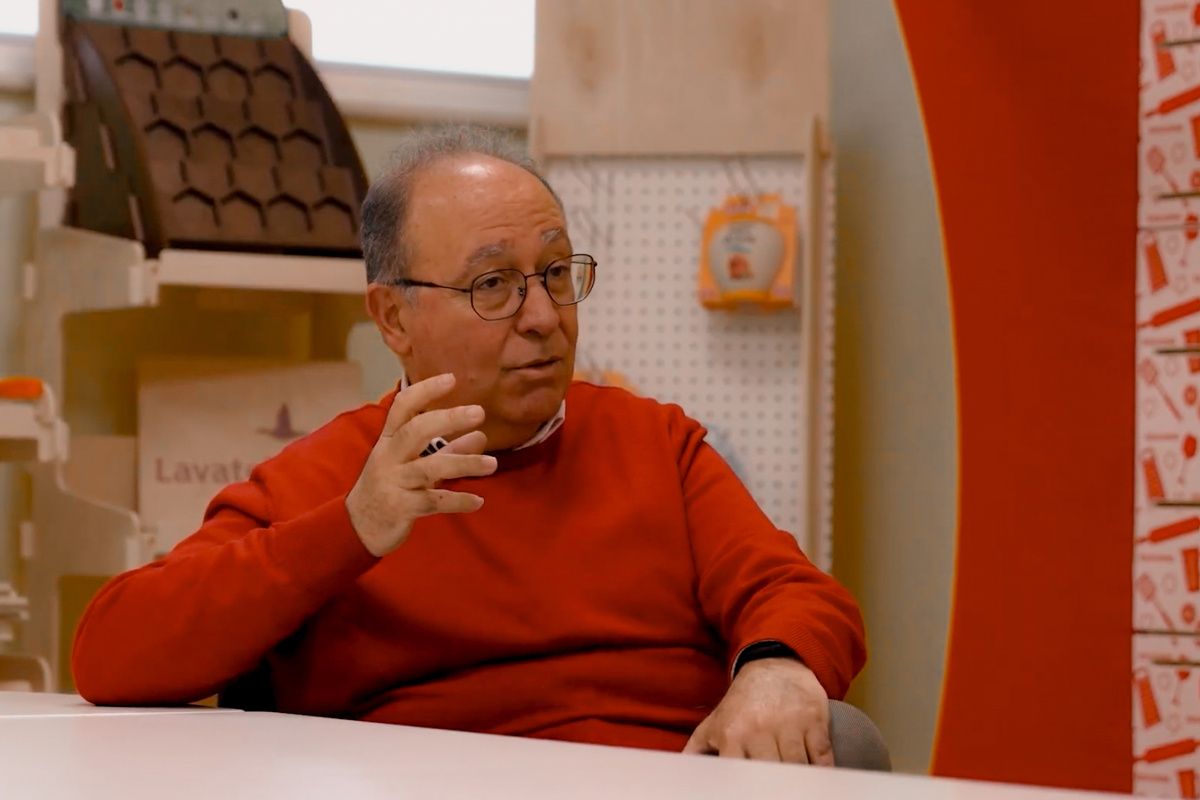
Decorating wooden displays required multiple processes using laminates, vinyl, and adhesives, increasing costs and production time. CEMAB needed to improve efficiency while maintaining quality and reducing environmental impact.
The JFX600-2513 enables direct high-definition printing on smooth and uneven wood at speeds of up to 200 m²/h, supporting production of over 500 displays per day. By reducing adhesive use, material waste, and inventory while utilizing eco-friendly UV inks, CEMAB achieves a balance of quality, productivity, and environmental responsibility.
Product installed
Challenges
Improvements
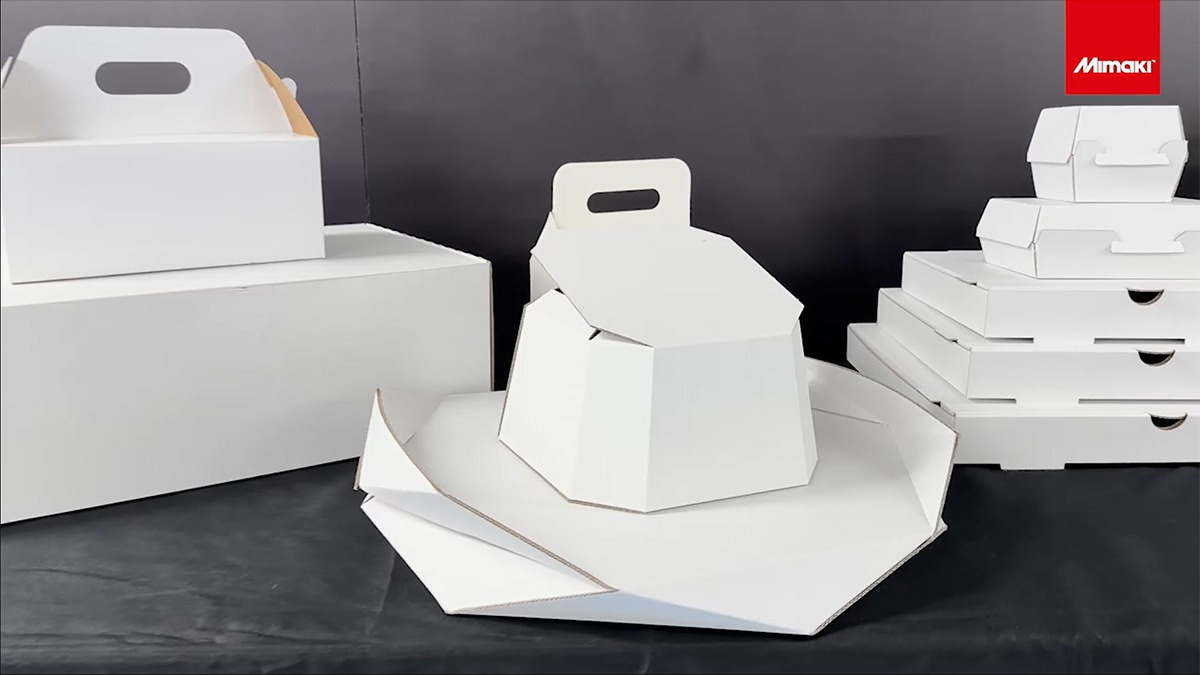
In custom packaging for the foodservice and QSR industries, CMI needed to respond to customer-specific requirements and short turnaround demands with greater speed and accuracy. Strengthening its production workflow for faster prototyping, sample making, and internal testing had become an important challenge.
By installing the CFX-2513, CMI streamlined in-house test cutting and sample production. With CAD-based prototyping and high-precision cutting, the company improved the speed and flexibility of its package development process. The system enables CMI to deliver packaging solutions tailored to customer needs more quickly and effectively.
Product installed
Challenges
Improvements
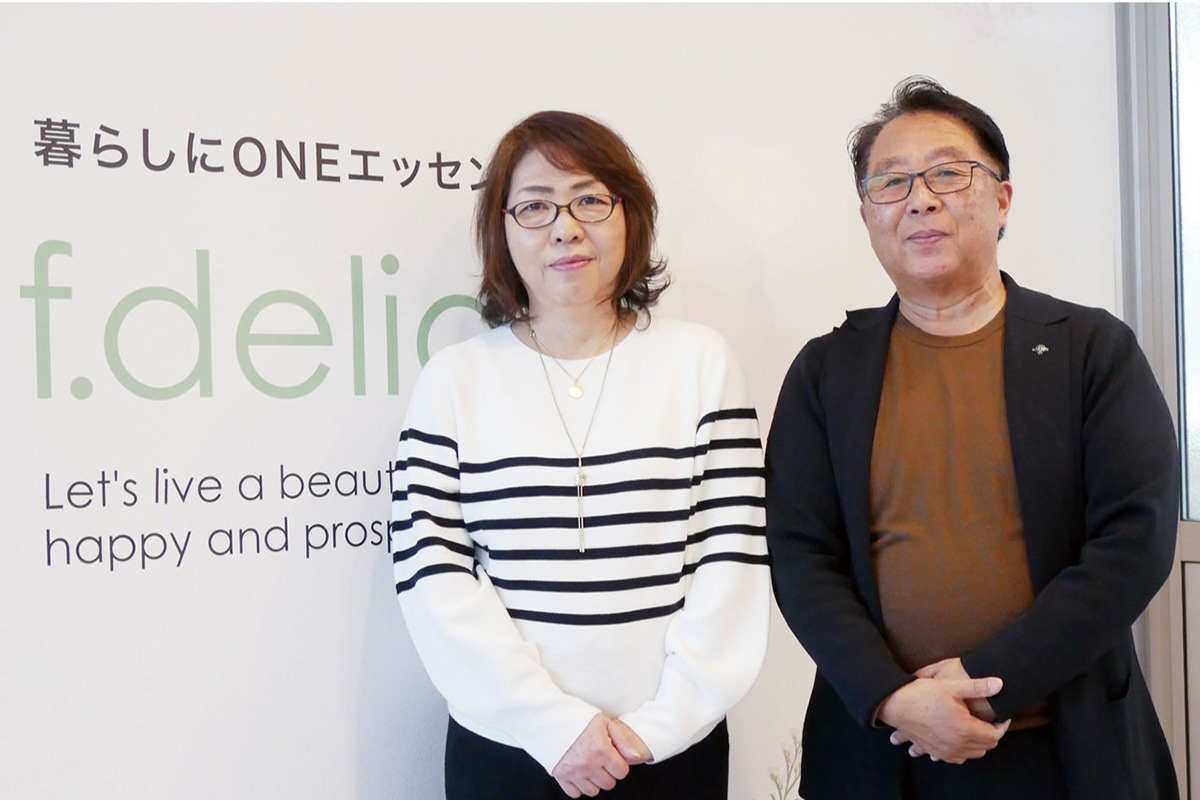
Conventional stickers and decals often had noticeable margins and glare, making it difficult to achieve a natural finish that blended seamlessly with the object. At the same time, amid the booming sticker market and growing demand driven by fan-driven culture, f.delight needed to develop new merchandise products that could also be expanded into the B2C market.
With the UJV300DTF-75, f.delight can achieve a natural finish by transferring only the ink and adhesive layer. The system enables high-value-added decoration that blends seamlessly with materials and has generated new inquiries for a wide range of applications, including tools, guidance signs, and household items.
Product installed
Challenges
Improvements
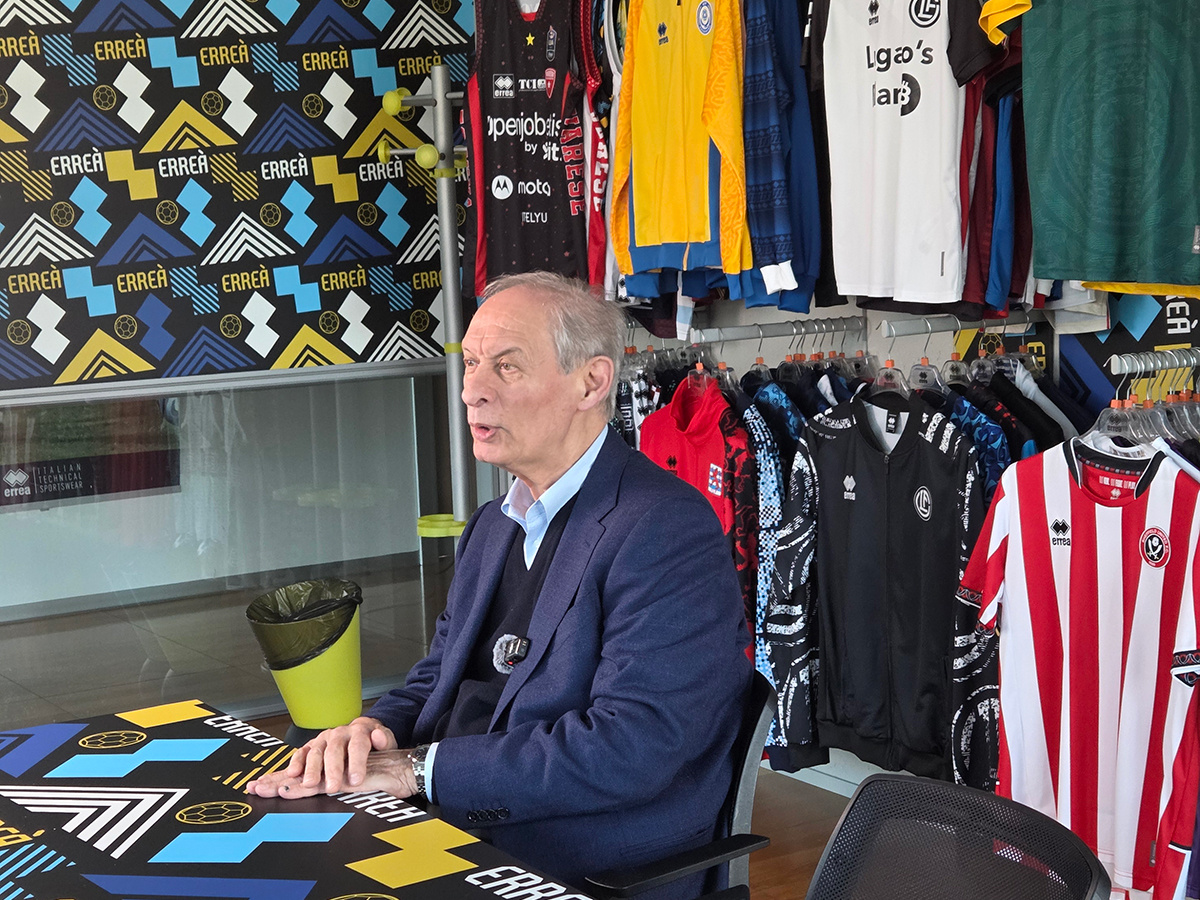
To better meet growing demand in the sportswear market for customization, shorter lead times, and high color accuracy, Erreà needed to rethink its existing printing setup of 28 digital printers.
By transitioning to seven Mimaki textile printers, Erreà streamlined its printing operations and built a flexible production environment for both high-volume and customized orders. The new setup also improved color consistency, print quality, and repeatability across production locations.
Product installed
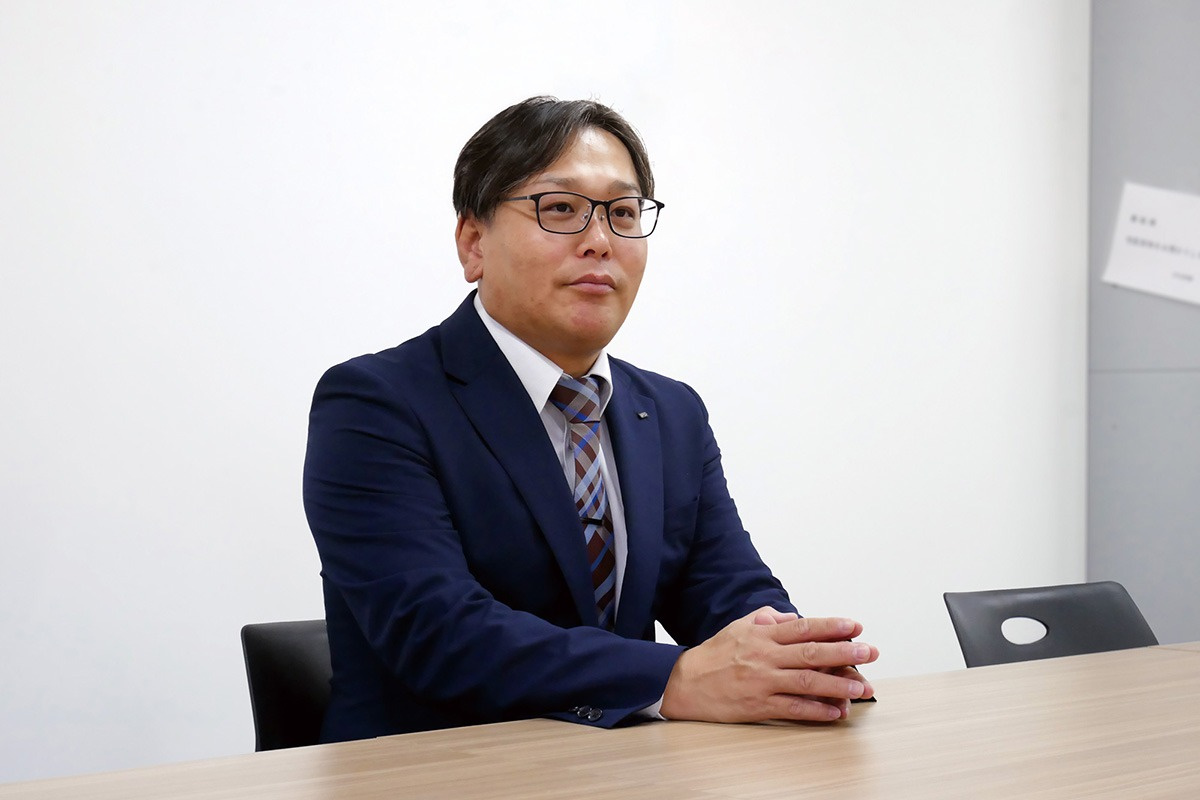
Challenges
Improvements
As the company expanded RCF packaging, standard materials sometimes took more than 10 days to procure and pack, making lead times a challenge. Its existing cutting machine lacked the cost performance and productivity needed to improve profitability through in-house production and handle short lead times.
With the CFX-2550, the company brought RCF packaging production in-house, reducing lead times to two or three days. It cut outsourcing costs by about 9% and material waste by about 15%, while enabling short-run, quick-turnaround production tailored to each product size and improving customer service.
Product installed
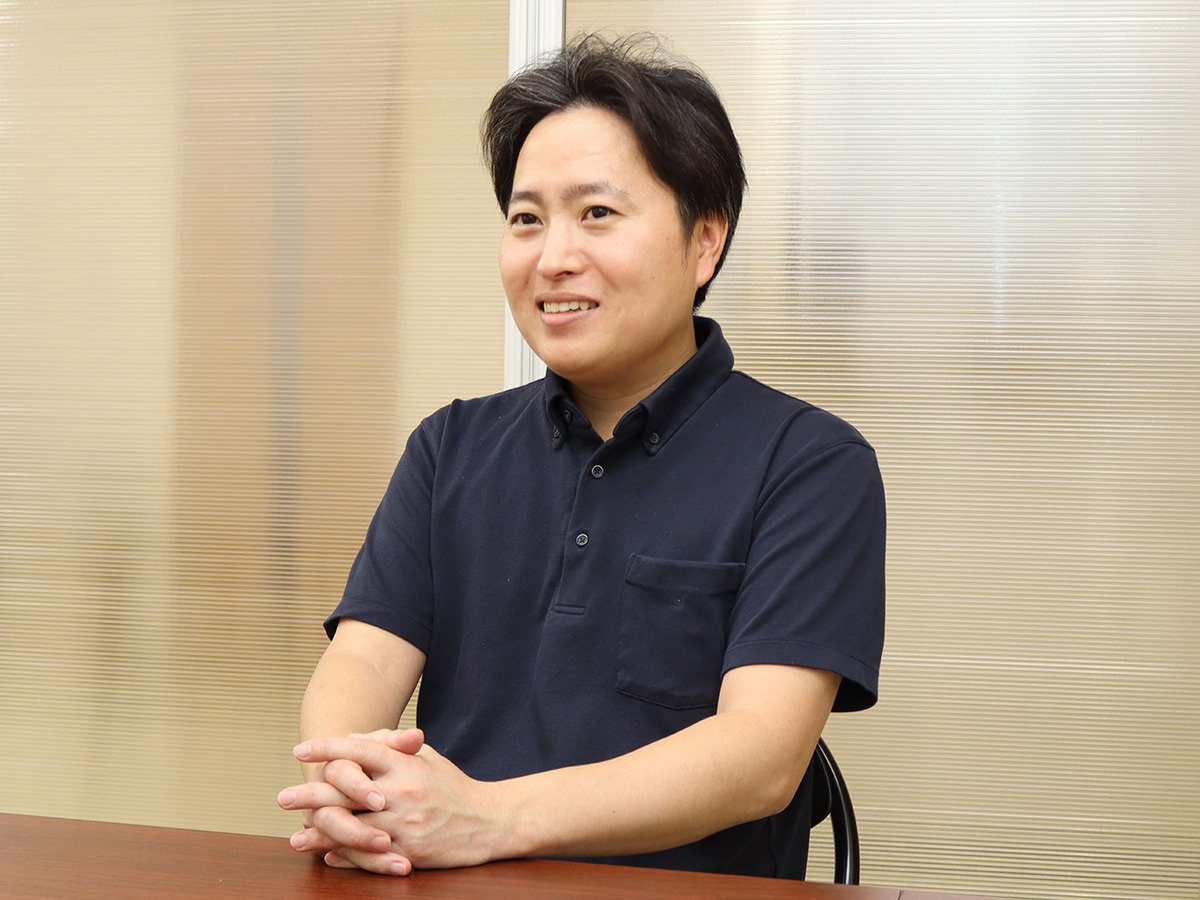
Challenges
Improvements
The company’s existing Chinese-made DTF printers made stable production difficult due to time-consuming colour matching, frequent breakdowns, and heavy maintenance demands. This also made it difficult to plan production reliably for large-volume orders with strict delivery schedules.
By switching to the TxF300-75, the company improved color development and output stability, enabling it to plan production schedules with greater confidence. Film loading and continuous printing also became easier, significantly reducing the workload on operators.
Product installed